Home/Planner Insight Blog/Blog Details


September 29, 2025
In the U.S., stages are no longer just wooden platforms dressed with curtains. They have become high-tech environments engineered for both live audiences and millions watching through a screen. From political conventions in Washington to music festivals in Las Vegas, the design of a stage now determines how a message, a brand, or a performance will live online.
Hybrid events and livestreams changed the game. A stage that looks dazzling in person might fall flat on camera. Video-first design has turned into the new industry standard, forcing event producers to think like directors rather than decorators.
And that shift has sparked a wave of bold, cinematic stage concepts that are rewriting the rules of what an event can look like. The question is, which designs are setting the pace, and how are they shaping the future of video-driven experiences?
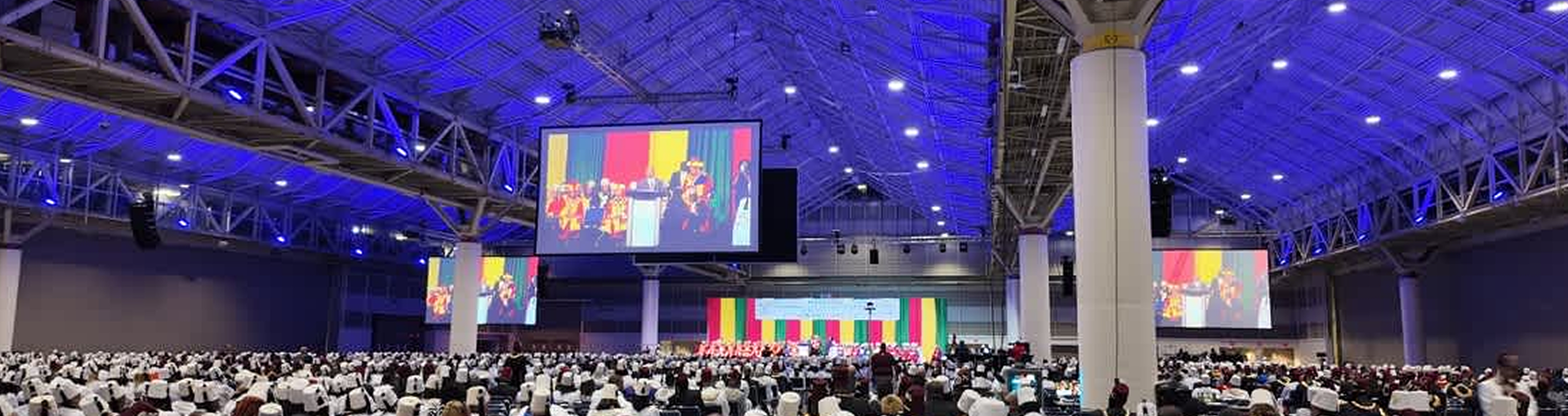
LED walls have become the backbone of modern event stages in the U.S., functioning less like background décor and more like living canvases. They give producers the ability to shift a scene in seconds, from a futuristic skyline to an immersive data visualization, without physically changing a single prop.
For brands, the payoff is cinematic consistency. Whether it is a San Francisco tech launch unveiling the next breakthrough device or an esports arena in Los Angeles pulling millions of livestream views, the LED wall ensures every frame looks polished on video.
High-resolution panels double as interactive backdrops.
Motion graphics sync seamlessly with presenters on stage.
360-degree storytelling feels as fluid on a live stream as it does in the room.
The real power lies in how LED staging collapses the gap between physical presence and digital storytelling. Yet as striking as these walls are, they work best when paired with structures that move and adapt, setting the stage for a new wave of modular, reconfigurable builds.
U.S. event production has flipped the old rulebook. Now stages must travel just as effortlessly as the talent they showcase. Portable, modular setups are taking center stage among hybrid, livestreamed, and fully virtual formats. They arrive on site, assemble quickly, and adapt to suit the demands of boardrooms, pop-up arenas, or streaming studios.
A recent industry report shows that 87% of exhibition companies in the U.S. have adopted modular display systems in the past 18 months, slashing setup times by as much as 60% and cutting costs by roughly 40% compared to traditional builds. That is a seismic shift in logistics, proof that efficiency now drives design as much as aesthetics (Xibeo, Modular Booths Industry Data 2025).
What makes these setups so valuable:
Frames that can be reused across multiple cities and events
Graphics and dimensions that can be swapped without new construction
Consistent brand presence without the expense of bespoke rigs
These modular builds are particularly popular with corporate roadshows and startup demo days. They offer versatility, cost control, and scalability in a way traditional staging cannot.
Yet as flexible as they are, modular setups only provide the structure. The real atmosphere, the mood audiences feel on screen, comes from something else entirely. Next up, lighting systems that shape the narrative of every video-ready stage.

Hollywood cracked the code first. Productions like The Mandalorian showed that extended reality (XR) stages could replace green screens with real-time, photoreal environments. Now U.S. event producers are applying the same technology to transform conferences and brand launches into cinematic experiences.
Instead of standing in front of static graphics, presenters move through layered 3D worlds that respond to their gestures and camera angles. For audiences on livestreams, it feels less like a presentation and more like stepping into a film.
Advantages of XR stages include:
Real-time integration of virtual sets with live speakers
Seamless blending of physical props with digital backdrops
Endless flexibility without transporting physical scenery across venues
This approach is gaining traction in investor showcases, corporate summits, and storytelling-driven campaigns. Executives can introduce products on a virtual rooftop overlooking Manhattan, then transition to a futuristic lab scene, all within the same stage environment.
The visuals capture attention, yet the full effect depends on something deeper. Lighting design now determines how these virtual and physical layers fuse together on camera, shaping the emotional tone of the entire event.
In the U.S., stage lighting has evolved from a stagehand’s craft to a director’s tool. Modern rigs no longer exist only to illuminate a presenter, they sculpt how the event looks on camera. From corporate summits to televised sports, every beam is calibrated to serve both the live audience and the lens.
What sets today’s lighting apart is its ability to adapt in real time. Systems sync with camera positions, adjust intensity for 4K streaming, and even shift color temperatures to match brand palettes or emotional beats. The result is footage that feels polished straight out of the feed, without relying heavily on post-production.
Examples of advanced lighting techniques include:
Spotlighting that follows speakers dynamically across the stage
Color grading built into live cues, creating instant mood transitions
Rigging designs drawn from American sports and entertainment shows, where lighting choreography has become part of the spectacle
This lighting-first approach has set new expectations for event production. Audiences now expect visuals that feel cinematic even in a livestream. And as producers push to elevate depth and perspective on screen, the next evolution lies in multi-level stage builds that give cameras something more dimensional to capture.
Flat stages struggle to impress on a 4K stream. Designers in the U.S. are solving that by adding height, layers, and movement that give cameras depth to play with. A multi-level build creates angles that look cinematic without overcomplicating production.
How depth works on screen:
Tiered platforms make wide shots feel larger and more dynamic
Catwalks allow speakers or performers to step into the audience’s view
Kinetic set pieces shift during an event, creating fresh perspectives
These designs dominate influencer-driven shows and major award nights, where every angle is engineered for broadcast. The next step in this evolution is even more deliberate, with stages built to generate short-form social content.

Event stages are no longer designed only for the people in the room. They are built to fuel TikTok, Instagram Reels, and YouTube shorts, where a ten-second clip can outperform the entire livestream.
How producers design for social-first audiences:
QR code walls that connect instantly to polls, downloads, or exclusive content
Augmented reality effects triggered live for maximum shareability
Camera-friendly corners styled specifically for vertical video
This fusion of broadcast-quality production with influencer culture is shaping U.S. brand activations and music festivals. The challenge now is building stages that perform across platforms without inflating environmental costs, which is where sustainable design comes in.
Eco-conscious design is no longer optional for U.S. brands that tie their reputation to ESG goals. Stages now have to be both camera-ready and environmentally responsible.
What sustainable stages look like:
Reusable modular frames built from recycled or low-impact materials
Low-energy LED systems that maintain brightness while cutting power use
Minimalist aesthetics that translate into sleek, modern visuals on video
These stages prove that sustainability and style can align. Yet the greenest materials and the sharpest lighting still need flawless technical support hidden out of view. That is where invisible infrastructure becomes essential.

Every flawless stream relies on invisible systems humming beneath the surface. From massive U.S. political conventions to sold-out concerts, backstage engineering is built directly into the stage design.
The hidden layer includes:
Control rooms embedded inside venues for instant directing and switching
Camera pits that capture multiple angles without distracting the audience
Streaming racks and signal paths hidden under flooring or platforms
The audience never sees these setups, yet without them the show collapses. This is the machinery that makes modern event staging feel effortless, and it is where the line between stage and screen begins to blur.
For modern events in the U.S., stage design is more about creating production value that holds up on screen and keeps audiences engaged long after the event ends. A stage that looks sharp through the lens carries more weight than one that only dazzles in person.
Digital Xperience Group builds stages with that broadcast-first mindset. We work alongside brands to craft environments that perform in hybrid, livestream, and cinematic formats, giving every event the polish of a professional production.
In today’s hybrid landscape, the stage has evolved. It is no longer a platform for the story, it has become part of the story itself.
Ready to design a stage that speaks as strongly on camera as it does in the room? Contact Digital Xperience Group today and start shaping the kind of event that audiences will not just attend, they will remember.