Home/Planner Insight Blog/Blog Details


March 14, 2026
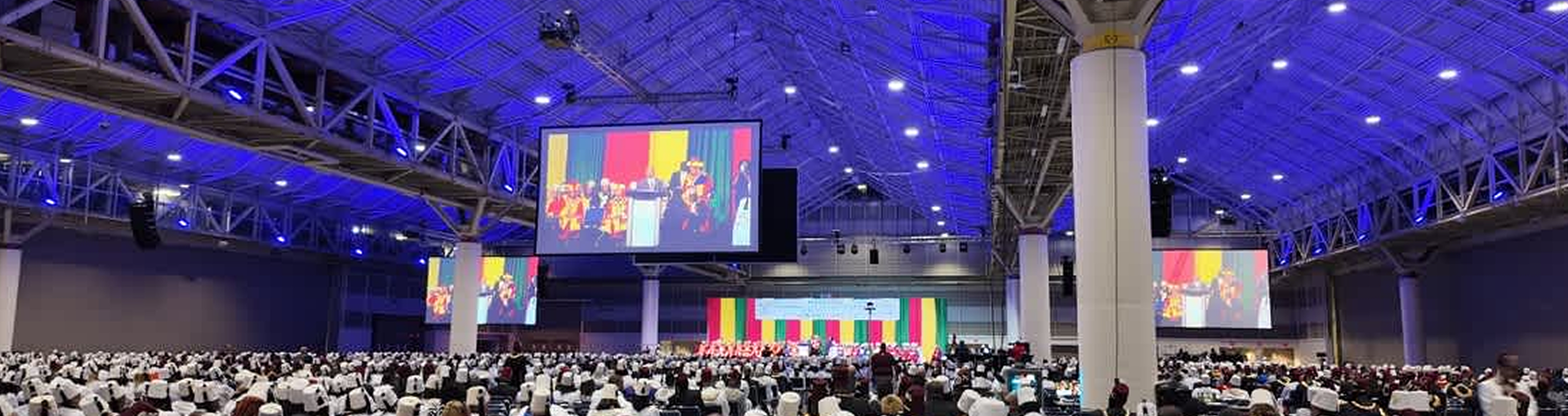
Have you ever walked into a high-stakes corporate conference or a massive product launch and felt that immediate "wow" factor? The lighting is moody and perfect, the sound is crisp enough to hear a pin drop, and the massive LED screens are displaying seamless animations that perfectly sync with the speaker’s words. From the audience’s perspective, it looks like magic. But for those of us in the industry, we know it’s the result of a highly synchronized event production machine.
Behind every "overnight success" event is a group of dedicated professionals who have spent months in the trenches of project management. If you’ve ever wondered who is actually pushing the buttons, calling the cues, and making sure the whole thing is running smoothly, you’re in the right place. In this guide, we’re pulling back the curtain on the essential event production roles that make the magic happen.
Before a single cable is laid or a light is rigged, a plan must be born. The leadership tier of a production team is responsible for translating a client’s vision into a technical reality.
The production manager (PM) is the glue that holds the entire operation together. Think of them as the CEO of the specific event. Their job starts months before the doors open, focusing heavily on the project management side of things.
The PM handles the "big picture" logistics:
Budgeting: Ensuring the vision doesn't outpace the bank account.
Vendor Relations: Sourcing the best AV gear, staging, and labor.
Scheduling: Mapping out the load-in, setup, rehearsal, and strike times.
Safety: Ensuring all rigs and electrical setups meet local Maryland and national safety codes.
For a deeper dive into how specialized tools can help these managers stay organized, check out our list of the top 15 tools to get inspired, motivated, and productive.
While the Production Manager focuses on "when" and "how much," the technical director (TD) focuses on the "how." The TD is the person who understands the physics of the stage. They work closely with the PM to determine the technical requirements of the show.
If the client wants a 50-foot wide holographic display, the TD is the one calculating the weight loads, the power draw, and the signal flow required to make it happen. They are the final authority on all things gear-related, ensuring that the audio, video, and lighting systems are compatible and reliable.
Once the event is live, the focus shifts from planning to execution. This is where the "show-site" roles take center stage—or rather, stay hidden in the wings to ensure the audience sees only perfection.
If the event were an orchestra, the stage manager would be the conductor. Positioned in the "God box" (the front-of-house control station) or the wings, the stage manager is responsible for the literal flow of the show.
They follow the "Show Flow" or "Run of Show" document with religious intensity. When a speaker is supposed to walk on stage, the stage manager is the one whispering "Stand by, Audio. Stand by, Lighting. Cue Speaker!" into their headset. They ensure the talent is in the right place at the right time and handle any mid-show audibles if things go off-script. According to Meeting Professionals International (MPI), the ability to stay calm under pressure is the single most important trait for this role.
In today’s digital-first world, the graphics operator is one of the most critical event production roles. This person is responsible for every slide, video clip, and lower-third graphic that appears on screen.
A graphics operator doesn't just "press play." They often manage complex playback systems like vMix or Resolume. They must work closely with the speakers to ensure that the PowerPoint transitions are seamless and that the right brand assets are triggered at exactly the right moment. Misspelled names or a 4:3 slide on a 16:9 screen are the nightmares this pro prevents.

Beyond the leads, a specialized production team includes engineers who live and breathe their specific craft.
The A1 is the primary audio engineer. Their job is to ensure that the keynote speaker sounds like a late-night radio DJ and that the music bumps without blowing out the audience's eardrums. They manage the "front of house" sound and are constantly adjusting EQ levels to account for the acoustics of the room.
The LD creates the atmosphere. Through the use of "washes," "gobos," and "moving heads," they ensure the stage is lit perfectly for both the human eye and the camera lens. Lighting is often the most underrated part of event production, yet it’s what sets the emotional tone for the entire day.
The V1 manages the "video village." They are responsible for the signal coming from the cameras, the graphics computers, and any remote call-ins (like Zoom or Teams). They ensure that the colors are balanced across all screens and that there is zero "latency" (delay) between a speaker talking and their image appearing on the big screen.

The secret sauce to a show running smoothly isn't just having talented individuals; it's the communication between them. A breakdown in communication between the technical director and the stage manager can result in a speaker walking onto a dark stage with no microphone.
To prevent this, professional teams use:
Comm Systems: High-end headsets that allow everyone to hear the stage manager’s cues.
Rehearsals: The "dry run" where every transition is practiced until it’s muscle memory.
Digital Strategy: Using integrated IT solutions to manage the massive amounts of data required for modern events.
Digital XP Group understands that a successful event is really just a high-stakes version of a digital marketing campaign. Just as you need digital marketing best practices to win online, you need technical precision to win on stage.
You might be tempted to "DIY" your next company meeting with a couple of speakers and a projector. However, the risks to your brand reputation are high. A glitchy presentation or a feedback loop in the audio doesn't just annoy the audience—it makes your organization look unprofessional.
Investing in a professional production team offers:
Stress Reduction: You focus on the content; the pros focus on the cables.
Engagement: High production value keeps people’s eyes on the stage, not their phones.
Hybrid Flexibility: Professional teams can seamlessly broadcast your event to a global audience, utilizing the same principles found in our ultimate guide to digital marketing & social media strategy.

While we specialize in Marketing as a Service, the Digital Experience Group (DXG) knows that your digital presence and your physical events are two sides of the same coin. Whether you are hosting a local event in Fulton, Maryland, or a nationwide digital summit, the technical infrastructure must be flawless.
Our approach to Marketing as a Service integrates the best of IT and creative strategy. We treat every digital touchpoint—whether it's a website or an event graphics package—with the same level of project management rigor that a technical director brings to a stage.
Modern events are no longer just "in-person." They are multi-channel experiences. According to BizBash, the integration of digital tools into live events is the #1 trend for 2026. This is where DXG shines. We bridge the gap between the IT hardware and the marketing software to ensure your message is delivered clearly, every single time.
Understanding event production roles is the first step in appreciating the sheer amount of work that goes into a "seamless" experience. From the production manager mapping out the vision to the graphics operator hitting the final slide, every role is a vital cog in the machine.
When you're ready to take your brand's experience to the next level—whether online or in the ballroom—don't go it alone. The right team doesn't just provide equipment; they provide peace of mind.