
Home/Planner Insight Blog/Blog Details


February 14, 2024
Are you tired of juggling multiple spreadsheets, emails, and documents to manage your speakers? And now you're wishing there was a simpler and smarter way to handle the speaker management process.
Wait, what if there was a better way? Yes! A speaker management system - your ultimate magic wand! This significantly improves the organization and success of an event. By streamlining various aspects of speaker coordination, event planners can ensure a smoother experience for everyone involved.
Some of the key benefits of having a speaker management system for an event include the following:
When you centralize information, any organizers like you can easily access and update speaker details, ensuring that all relevant data is readily available. And the twist part is - it eliminates the need to search through multiple sources or rely on outdated information, saving time and improving efficiency.
A speaker management system provides a centralized repository for all speaker-related information, including:
Speaker profiles: Store speaker biographies, contact details, expertise, and experience.
Presentation materials: Manage speaker slides, videos, handouts, and other presentation materials.
Travel arrangements: Track speaker travel arrangements, including flights, accommodations, and transportation.
Schedule and logistics: Manage speaker schedules, assignments, and logistical arrangements.

A speaker management system facilitates effective communication and collaboration between event organizers, speakers, and other stakeholders. It provides a platform for:
Announcements and updates: Broadcast important messages to speakers, keeping them informed about event schedules, changes, and requirements.
Feedback and discussion: Encourage feedback from speakers to gather insights and address concerns.
Task management: Assign tasks to speakers and track their completion to ensure timely delivery of materials and adherence to schedules. This helps to avoid miscommunication and ensures that everyone stays informed.
Not only communication, a speaker management system simplifies scheduling and eliminates scheduling conflicts. Aslo, ensures a seamless event flow, maximizes speaker participation, and enhances the overall attendee experience. Here’s how:
Speaker availability management: Track speaker availability to avoid scheduling conflicts and ensure that speakers are assigned to sessions that align with their expertise and interests.
Session allocation and time management: Allocate time slots for sessions and presentations, considering speaker availability, session length, and venue capacity.
Schedule visualization and conflict resolution: Present a clear and organized view of the event schedule, allowing organizers to identify and resolve scheduling conflicts promptly.

But will information management, communication handling and simplifying scheduling be enough? Of course not. That's why speaker management also assists in strategic speaker selection and evaluation.
Speaker database and search: Maintain a database of potential speakers with searchable filters based on expertise, experience, and presentation style.
Speaker evaluation and feedback: Collect feedback from previous events to evaluate speaker performance and identify highly qualified speakers.
Speaker engagement and recruitment: Facilitate communication with potential speakers to gauge their interest, negotiate terms, and finalize speaker participation.
A speaker management system streamlines content management and ensures that presentation materials are accessible to all stakeholders:
Speaker content upload and review: Provide a platform for speakers to upload their presentation materials, allowing organizers to review, approve, and provide feedback.
Content storage and organization: Store presentation materials securely and organize them by speaker, session, or event.
Content sharing and distribution: Distribute approved presentation materials to attendees, event staff, and other stakeholders.
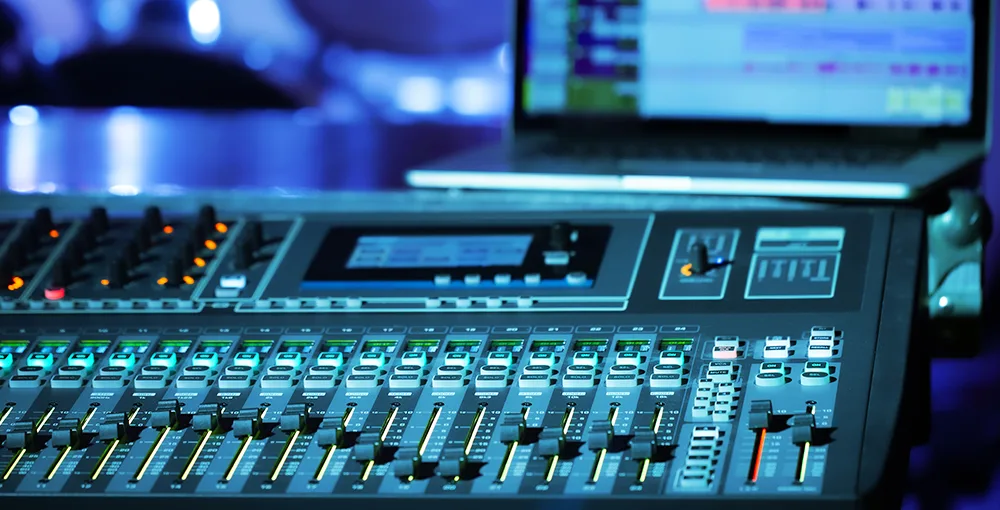
With a well-managed speaker system, attendees can enjoy a more engaging and seamless event experience. They can easily access speaker information, presentation materials, and schedules, allowing them to make the most of their time at the event.
Easy access to speaker information: Provide attendees with easy access to speaker profiles, biographies, and contact details.
Accessible presentation materials: Allow attendees to download or access presentation materials before, during, or after the event.
Clearly defined session schedules: Present clear and accessible session schedules, allowing attendees to plan their attendance and maximize their event experience.
Do you know this system can save event organizers time and resources that can be better spent on other aspects of the event? Yes, and it can be done simply by automating many of the tasks associated with the management.
Automated speaker invitations and reminders: Automate speaker invitations, follow-ups, and reminders to reduce manual effort and ensure timely speaker responses.
Streamlined communication and feedback collection: Automate communication workflows, feedback requests, and data collection to minimize manual tasks and improve efficiency.
Centralized data management and reporting: Generate reports on speaker participation, feedback, and content management to inform future event planning and resource allocation.
Finally, post-event analysis. A comprehensive speaker management system empowers organizers to gather valuable feedback and evaluate speaker performance, providing actionable insights for future events.
This post-event analysis offers a wealth of opportunities to:
Enhance Speaker Selection: Assess speaker effectiveness based on attendee, staff, and stakeholder feedback. Identify speakers who resonated with the audience and aligned with the event's goals.
Optimize Scheduling and Content: Analyze session formats, topics, and speaker styles that captivated the audience. Utilize this data to tailor future schedules and ensure content aligns with attendee expectations.
Elevate Event Reputation: Consistently evaluate speaker performance and incorporate feedback to maintain a high standard of speaker quality. Cultivate a positive event reputation that attracts top-tier speakers and repeat attendees.
You see, having a speaker management system is not bad at all! Rather, it can help event organizers manage speakers and their contributions effectively, resulting in a more successful, engaging, and enjoyable event for all involved.