Home/Planner Insight Blog/Blog Details


December 23, 2025
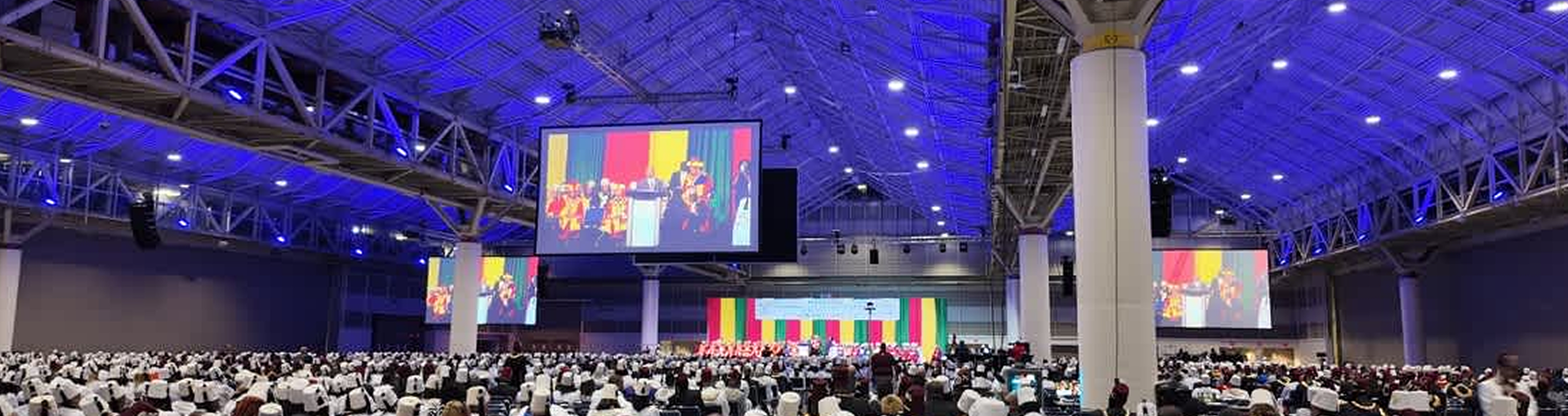
We have spent years in rooms that stayed with people long after the doors closed. We have also stood in rooms that faded from memory as soon as the lights came back on. The difference has never been the size of the stage or the number of guests. The difference has always come down to what the senses were asked to feel.
We keep sensory elements in event design and treat them as the real storytellers. They have a quiet power, and when they rise together, the room becomes something more than decoration and equipment. It becomes an emotion.
From the first moment a guest walks in, every sense reaches out before the mind has time to think. Sight sets the tone. Sound sets the rhythm. Scent wakes memory. Touch brings comfort or awareness. Taste anchors a moment in a way nothing else can. When these senses fall into harmony, the event does not simply work. It lives.
We rely on sensory elements in event design because they shape behavior and memory faster than any message on a screen. A single shift in lighting can slow a crowd or raise its pulse. A drop in sound can pull a room into quiet focus. A soft scent at the entrance can settle nerves and open curiosity. When these details work together with intention, an event turns into an experience instead of a schedule of activities.
People do not store events in neat folders. They store sensations. We have seen how a color palette sticks with a guest long after the speech they heard. We have watched a sound cue build anticipation before anyone knows why they feel that way. Senses reach the emotional part of us that logic cannot always touch. That is why they matter, and that is why we start with them in every project.
When we work with clients through DXG, we treat sensory planning as a way to translate their identity into something the audience can feel. Every brand has a voice; however, that voice becomes stronger when supported by light, sound, air, texture, and taste.

Sight is the first storyteller in the room. A guest notices the color before anything else. Shadows hint at atmosphere. Motion on a screen lifts attention. We use lighting to push time forward in a gentle way. Warm lighting opens the door with kindness. Cooler lighting lifts energy when we need the crowd awake and alert. Color becomes a language that speaks through walls, fabrics, projections, and shapes.
Visual design often begins with one question at DXG. What do we want the guest to feel when they look up for the first time? Once that feeling is clear, everything else follows with more ease.
Simple tactics guide me each time.
Keep a primary color palette and stay loyal to it.
Layer light so the space feels alive in a quiet, steady way.
Protect sightlines so every seat feels considered.
Sound is the spine of the atmosphere. We have learned that people forgive many things at an event. Bad audio is not one of them. The wrong volume pulls guests out of the moment. Poor clarity makes even the brightest message dull. When music and speech fall into balance, the room becomes more human.
We treat sound as a moving river. It needs to flow without breaking the experience. A playlist is not only a playlist. It is a guide rail. It nudges pace. It softens sharp moments. It lifts slow ones. When the mix is right, conversation becomes natural and the room feels easy.
We follow a few steady habits.
Walk the room while sound is tested.
Adjust speech clarity before adjusting volume.
Use bass only where the room can hold it
Scent is the quietest sense, yet it has the strongest memory. A small hint of fragrance at the entrance can soften the transition from outside life to the world we have built inside. Scent can be warm, cool, playful, or serious. It can also be overwhelming if careless. We use it with respect.
A signature scent can help a brand speak without words. It can tie a guest to a moment they did not expect to remember. We keep it subtle, nearly invisible, because the best sensory work is often the work no one notices directly.
We rely on a few reminders.
Keep the scent gentle, never heavy.
Avoid strong floral notes near dining.
Keep scent-free areas for guests with sensitivities.
Touch has more influence than we give it credit for. The texture of a chair decides how long someone stays. The feel of the floor guides where they walk. Soft fabrics encourage rest. Firmer surfaces encourage motion. Temperature can shape attention in ways lighting never could.
Touch is also how we define zones inside a large space. Texture makes borders that feel natural.
My usual approach stays simple.
Use tactile contrast for different areas.
Match seating type with expected dwell time.
Watch the temperature because comfort is a story too.
Taste is the sense that finishes the arc. It can be rewarding. It can be surprising. It can also create a shared moment between guests who have never met. We use taste to carry the event’s identity in a gentle way.
A single flavor can become a memory. A small bite during a break can bring the room back together. Taste helps guests settle into the event rather than rush through it.
We pay attention to a few things.
Choose bites that fit the flow of the event.
Introduce one small unexpected flavor if it fits the theme.
Keep dietary needs at the front so no guest feels left out.

True sensory design respects the full range of human needs. Loud music may overwhelm some guests. Scent may trigger migraines. Harsh lights may challenge those with visual sensitivities. We want everyone to feel safe and welcomed, so we make room for difference.
That means creating quiet zones where sound softens. Offering captioning where needed. Keeping scent levels gentle. Adjusting light that feels too sharp. Communicating sensory features before the event so guests can prepare.
Every event has its own story, even when the schedule looks straightforward. We treat sensory planning as a narrative. A room may begin calm, grow in energy, rise into celebration, and settle again at the end. We create these chapters with changes in lighting, sound, visuals, scent, texture, and taste.
Arrival sets the tone. We keep it warm, soft, and steady. Guests deserve time to settle and breathe.
The midpoint carries the weight of the message. Energy rises. Colors shift. Music grows. The room leans forward.
The closing moment eases the crowd back into the world outside. Softer sound. Cooler lighting. A final taste. A final breath.
Small transitions build trust and comfort. They guide people without force. They carry them through the story we designed.
We watch behavior. Are guests staying in certain zones? Are they avoiding others? Is the conversation smooth? Is the room restless or relaxed? Behavior is honest. It tells the truth even when words do not.
We gather feedback following the event. People rarely report that the scent or lighting altered their night. They report that the event felt good, clear, or warm. These comments point to the sensory work that was successful. Pay attention to the following metrics:
Dwell time in key zones.
Flow from entrance to seating.
Guests’ notes about comfort and clarity.
The moments guests share online.
Sensory design does not demand excessive spending. It demands intention. Small choices can change everything. A different lighting choice. A clearer sound system in one area. A subtle scent. A single visual element that ties the room together.
We budget by focusing on sight and sound first. These carry the most weight. We add one sensory surprise that guests will remember. We also keep a small amount aside for the final adjustments, because rooms often reveal their secrets only when all lights turn on and all systems start speaking to each other.

We walk through the space as if we were guests. We listen, breathe, and observe how light hits corners. We feel the temperature and pay attention to details that may bother someone who has never seen the room before. That walk reveals everything.
Our checklist stays simple.
Test lighting at the time guests will experience it.
Walk through all audio zones.
Check temperature and airflow.
Test the scent in quiet corners and busy corners.
Make sure textures guide movement naturally.
We design events through the senses because they tell the truth. They strip away pretense. They meet every guest exactly where they are. When sight settles the mind, when sound lifts the room, when scent softens the edges, when texture holds comfort, and when taste seals memory, the event becomes more than a gathering. It becomes a feeling.
That sensation is our work. It is what we create. Sensory design gives an event a body. It lets it breathe. It has the ability to stick with someone long after they have returned to their normal life. That's always the goal. That is the core of what we do.
If you want a version of this article tailored for a landing page or ad copy, we can shape it for you.