Home/Planner Insight Blog/Blog Details

February 14, 2024
Ever been to an event where the speaker went on forever, the coffee ran out halfway through, and the "surprise entertainment" turned out to be interpretive dance? Yeah, not exactly the stuff of event planning dreams.
But it doesn't have to be that way. Your event can be a smooth, seamless symphony of awesome – and it all starts with the run of show (ROS). It keeps your speakers on track, your volunteers in the loop, and your guests saying, "Wow, this is actually fun!"
So ditch the stress because we're about to turn your event from a hot mess to a masterpiece. We'll talk setting goals, assigning roles, scheduling like a pro (even with those flaky speakers), and building in enough buffer time for those inevitable hiccups.
Before we start, let’s assume you're building a house. You wouldn't just start hammering nails without a blueprint, right? The same goes for your event. Before you start scheduling speakers and booking catering, you need to define your event's objectives.
Think of your objectives as the foundation of your event. They're the "why" behind everything you do. What do you want to achieve with this event?
Do you want to:
Educate your audience: Are you launching a new product? Sharing industry insights? Then your objective might be to increase attendees' knowledge by X% or have them leave with 3 key takeaways.
Generate leads: Is your event a networking goldmine? Then your goal might be to collect 100 qualified leads or have attendees schedule 20 follow-up meetings.
Build brand awareness: Are you introducing your company to a new market? Then your objective could be to have Y% of attendees recall your brand name or associate it with specific keywords.
Boost morale: Is this a team-building retreat? Then your goal might be to improve employee satisfaction by Z% or have X% of attendees report feeling more connected to their colleagues.
The key is to be specific and measurable. Don't just say you want to "have a successful event." What does "successful" look like for you? Define your objectives clearly, and you'll have a much easier time creating ROS that actually helps you achieve them.
Here are some tips for setting clear and measurable event objectives:
Use the SMART framework: Make your objectives Specific, Measurable, Achievable, Relevant, and Time-bound. For example, instead of saying "increase brand awareness," say "have 80% of attendees recall our brand name within 3 months of the event."
Focus on outcomes, not outputs: Don't just focus on the number of attendees or the amount of food served. What do you want those attendees to do or feel as a result of your event?
Get input from stakeholders: Talk to your team, sponsors, and target audience to understand their expectations and what they hope to achieve from the event.
Once you have your objectives nailed down, you'll be in a much better position to start building your ROS. Remember, every decision you make, from the speakers you choose to the breaks you schedule, should be aligned with your overall event goals.

Imagine a football team without a quarterback, or a bakery without a baker. Pretty chaotic, right? Your event needs the same strong, well-coordinated team to bring your run of show to life.
Here are some key roles:
Event Planner: Your conductor, overseeing everything from budget to crisis communication. Choose someone organized, detail-oriented, and able to think on their feet.
Speakers & Performers: The stars! Captivate your audience with their knowledge, skills, or talent. Choose experts, engaging presenters, and those aligned with your event's goals.
Technical Crew: Invisible heroes making lights shine and slides click. Find reliable techies who can troubleshoot any audio-visual hiccups.
Volunteers: The smiling faces welcoming, guiding, and answering questions. They're the backbone that keeps the experience smooth.
Sponsors & Vendors: Sponsors provide financial support, while vendors help with everything from catering to entertainment. Choose partners who share your vision, values, and target audience.
Once your team is assembled, assign roles and responsibilities clearly. Give them the authority they need to shine, and provide training and support.
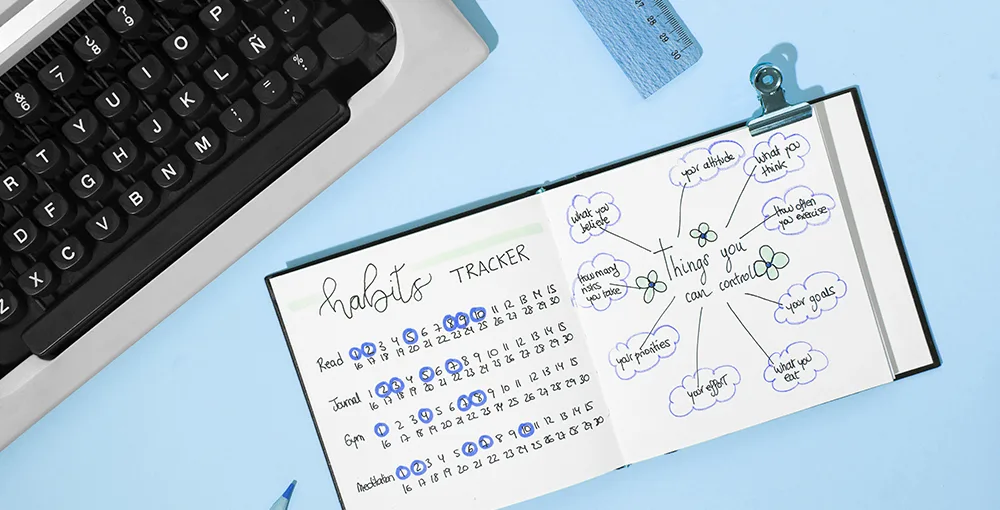
With your team assembled and goals in sight, let's paint a broad picture of your event's flow. This is where we build the preliminary schedule, the rough sketch of your masterpiece.
Step 1- Mark Your Milestones:
First, block out the big rocks – your event's start and end times, speaker slots, key presentations, performances, breaks, and networking opportunities. Treat these as the pillars of your schedule, ensuring they fit within the overall timeframe.
Step 2- Be Flexible Friend:
Remember, this isn't etched in stone! Leave wiggle room around your milestones. Unexpected delays? Technical glitches? No problem. Your buffer time has got your back.
Step 3- Think Like a Time Traveler:
Now, imagine yourself at the event. Walk through each element in your mind. How long will registration take? How long should lunch be? Factor in setup, transition time, and that extra five minutes for the speaker who loves a good story.
Step 4- Don't Be Afraid to Get Granular:
Even in this preliminary stage, break down key sections into smaller chunks. A panel discussion? Estimate each speaker's time, Q&A, and moderator transitions. This helps you visualize the flow and identify potential bottlenecks.
Step 5- Embrace the Spreadsheet (or App) of Your Dreams:
Use visual tools to map out your schedule. Timelines, Gantt charts, project management apps – choose your weapon! Seeing everything laid out helps you identify overlaps, gaps, and opportunities for improvement.
Step 6- Keep It Real:
Be honest about your resources. Do you have enough volunteers to handle registration and crowd control? Can your venue accommodate all the activities you have in mind? Reality checks are key to avoiding a logistical nightmare.
Step 7- Remember, It's a Draft:
This is just the first brushstroke. As you gather more information and collaborate with your team, your schedule will evolve. Embrace the iterative process!
Just remember, flexibility is your friend. Things will change, hiccups will happen, but with a solid foundation, you can adapt and keep your event on track.
We've got a basic plan for the event. Now, let's dig in deeper. We'll list and sort out all the different parts of the event.
Pre-Event:
Registration: How will attendees sign up? Online, on-site? Make it seamless!
Welcome & Logistics: Greet guests with warmth, provide clear directions, ease their anxieties.
Icebreakers & Networking: Help attendees connect and break the ice. Awkward silences are no fun!
During Event:
Presentations & Performances: Speakers, panels, workshops – the content that draws them in.
Breaks & Refreshments: Recharge those batteries! Fuel their brains and bodies.
Activities & Entertainment: Interactive fun, engaging experiences, keep them on their toes.
Q&A Sessions: Foster dialogue, answer burning questions, make it a two-way street.
Networking Opportunities: Let connections happen organically, facilitate meaningful interactions.
Post-Event:
Thank you: Show your appreciation, keep the conversation going.
Feedback & Evaluation: Learn from your experience, what worked, what didn't?
Content Sharing & Promotion: Extend the event's reach, share recordings, articles, keep the buzz going.
It's more than just completing tasks. Think about how each thing you're doing helps reach your main goals. Ask yourself: Does talking and meeting people in the networking session help get new customers? Is the talk going on for too long, making people lose interest? It's about making sure each part of the event helps achieve what you want in the end
With your event's structure built, it's time to call in the stars! But before you get starstruck, remember: availability and fit are key.
Prioritize relevance: Don't just book names. Align expertise with your theme and audience. Relevance is magic for engagement.
Do your research: Check schedules, travel time, and previous gigs. A jet-lagged speaker won't do you justice.
Be clear and upfront: Communicate expectations. How long will they speak? What format? What tech support? Transparency builds trust.
Offer incentives: Money isn't everything, but it helps. Consider fees, travel reimbursement, or a platform to promote their work. Show you value them.
Now, let's talk slots:
Primetime vs. off-peak: Consider audience energy levels and competing events. Keynote in the morning or afternoon?
Speaker compatibility: Group them with complementary styles or topics for a cohesive flow.
Buffer time: Don't forget breaks and transitions! Give speakers time to set up, attendees time to breathe, and yourself time to avoid scheduling meltdowns.
Scheduling is an art, not a science. Be flexible, be creative, and most importantly, be respectful of their time and expertise.
Remember that beautiful schedule? Yeah, it's about to get a reality check. Events, like life, rarely go according to plan. That's where your secret weapon comes in: buffer time. Why is buffer time your best friend? Because it provides smooth transitions, reduces stress, and absorbs domino effects before they snowball.
Buffer time depends on your event's risk factor:
High risk (live performances): 20-30%
Medium risk (panels): 15-20%
Low risk (keynotes): 10-15%
It's not wasted time, it's an investment in sanity. Plan for the worst, build micro-buffers, and empower your team to adjust on the fly.
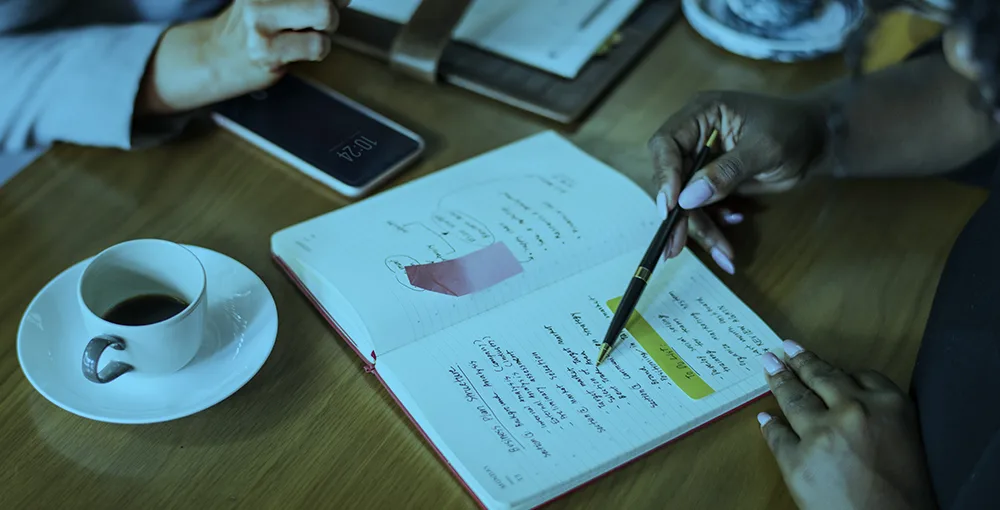
This isn't just a list of activities. It's a roadmap for everyone involved, from speakers to volunteers to attendees. It tells them what happens, when it happens, and who's responsible for making it happen.
Here's how to create the masterpiece:
Gather your tools: Whatever helps you visualize and organize (sticky notes, spreadsheets, online planners).
Pull it all together: Schedule, components, timings, responsible parties, resources – slot it all in.
Get specific: No "speaker 1" here. Include names, topics, timings – leave no detail to guesswork.
Mind the flow: Transitions are crucial. Factor in setup/teardown, breaks, even bathroom lines.
Be visually clear: Headings, colors, symbols – make it an infographic, not a grocery list.
Share and iterate: Get feedback from your team, speakers, even volunteers. A good agenda is collaborative.
Remember, a good agenda is dynamic, not static. Things change, so be flexible. Embrace updates and revisions as needed.
Your masterpiece is taking shape! But what's the point of a beautiful score if the musicians don't know their parts? That's where communication takes center stage.
Here's your communication checklist:
Share the agenda widely: Make it the gospel. Distribute it to everyone involved, online or printed.
Conduct pre-event briefings: Go beyond the agenda. Explain the "why" behind each element and address any questions or concerns.
Facilitate communication channels: Create a platform for real-time updates and discussions. A dedicated Slack channel, anyone?
Foster open communication: Encourage questions, feedback, and even suggestions. A collaborative approach breeds success.
Be responsive and proactive: Address issues promptly and don't shy away from updates, even if they're last-minute. Transparency builds trust.
Remember, clear communication isn't a one-way street. Actively listen, address concerns, and empower your team to be proactive.
Your event is almost ready to take the stage, but wait! Before you unleash it on the world, it's time for some final dress rehearsals. Think of it as a chance to iron out any wrinkles and ensure your masterpiece shines under the spotlight.
Walk-through the venue: Get a feel for the space, check transitions, and identify potential bottlenecks. Is there enough room for that live performance? Can everyone see the projector screen?
Rehearse speakers and performers: Help them refine timings, troubleshoot technical hiccups, and practice transitions. A confident speaker translates to a captivated audience.
Run a tech rehearsal: Test lights, sound, and presentations. Practice transitions between elements to ensure seamless flow. Don't let a technical glitch steal the show.
Time it all out: Do a full run-through, incorporating breaks and transitions. Does the schedule hold up? Are there any unexpected delays? Remember, a tight ship is a happy ship (and audience).
Debrief and adapt: Gather feedback from everyone involved. Did anything feel clunky? Were there any confusing moments? Be open to tweaks and adjustments.
Remember, rehearsals aren't about finding fault; they're about finding polish. It's a chance to anticipate problems, build confidence, and ensure your event is an unforgettable experience for everyone involved.
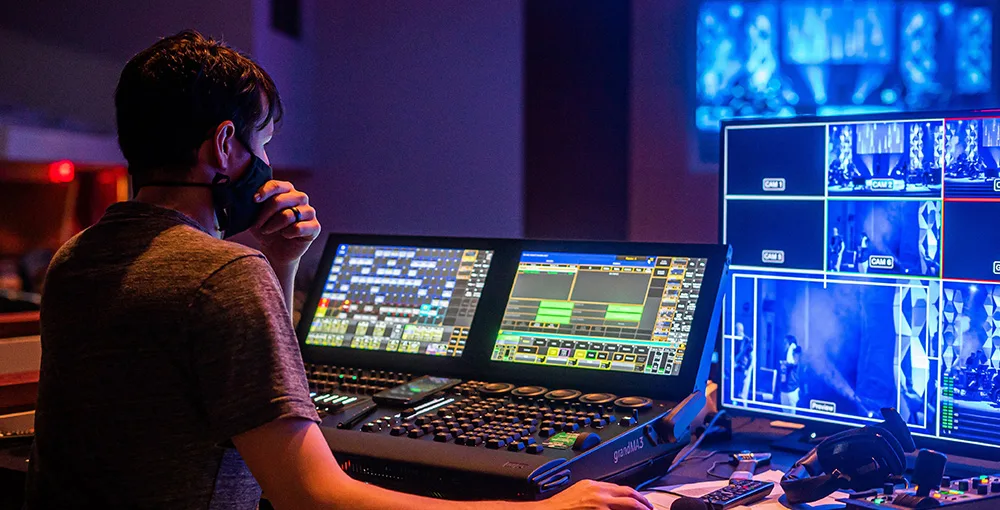
Your event is live! The stage lights are on, the speakers are buzzing, and excitement fills the air. But wait, the conductor doesn't just put down their baton and relax, do they? No, they stay vigilant, adjusting the tempo, guiding the musicians, ensuring the harmony stays intact. That's your role now and It's time to monitor and adapt.
Monitor like a hawk: Delegate a team member to track the run of show and flag any detours. They're your on-the-ground eyes and ears.
Embrace the bend: Remember that buffer time? Use it! Adapt timings, adjust breaks, even switch elements if needed. Flow is your friend.
Communicate like a pro: Keep everyone in the loop about changes. Speakers, volunteers, even the audience – transparency builds trust and avoids chaos.
Solve like a champ: Unexpected hiccups? Don't sweat it. Think on your feet, find creative solutions, always have a Plan B (or C!).
Learn from every note: Every blip is a lesson. Take notes, observe reactions, and incorporate learnings into future events. Growth is key.
The applause has faded, the lights have dimmed, but your work isn't done yet, It's time to step off the stage, take a deep breath, and reflect on your masterpiece.
Gather feedback: survey your audience, speakers, and volunteers. Honest opinions are your golden ticket.
Dive into data: registration numbers, engagement metrics, social media buzz. Did you hit your goals? Data speaks volumes, listen closely.
Analyze your ROS: was the schedule realistic? Did transitions flow smoothly? Revisit it with a critical eye.
Celebrate successes: acknowledge what went well! Team wins, speaker brilliance, pure event magic. Appreciation fuels motivation.
Finally, be honest. Could you have done better? Learning from mistakes is key to continuous improvement. And a great event also needs some great support while adapting to quick changes, like hiring experienced travel AV vendors quickly, Don’t stress, you can change your vendor without a big headache.
So, spill the tea! What's the biggest event fail you've ever seen? (Bonus points for cringe-worthy details!) Don’t forget to share it with a friend who needs this knowledge like they need oxygen! Sharing is caring, after all.