Home/Planner Insight Blog/Blog Details


July 11, 2024
In any company that makes products – whether it's food, clothes, electronics, or anything else – there are many tasks and processes that are crucial for success. Turning raw materials into finished goods and coordinating various teams and workflows need careful management to maintain high quality.
For that type of work, you need a production manager. This key person ensures that the production chain runs smoothly and without interruptions, making sure everything goes according to plan. But it's quite obvious that many of us need clarification while choosing the right one. So, how do you find someone who has the skills and experience to handle such a complex and demanding role?
Planning an event can be confusing. There seem to be a million things to handle. There are two key people: the event manager and the production manager. But what’s the difference between them?
Both the event manager and production manager are quite important, but the event manager usually has the final say. They make the big decisions and tell the production manager what needs to be done. They manage aspects like budgeting, marketing, guest lists, and overall event design.
On the other hand, a production manager zeroes in on the technical details. While the event manager creates the vision, the production manager brings that vision to life through meticulous technical execution.
The Roles of a Production Manager
As said, the production manager focuses on the technical and logistical aspects of an event. They oversee everything from setting up equipment to ensuring that sound, lighting, and staging run smoothly. Their job is to make sure all the technical elements are in place and functioning properly. This includes coordinating with vendors, managing the production crew, and troubleshooting any issues that arise during the event.
They make decisions on the spot to ensure everything runs according to plan. Their authority extends to managing the budget for technical needs, approving schedules, and ensuring safety protocols are followed. Essentially, they have the final say on all technical matters to keep the event running seamlessly.

Here are some of the key skills you should look for in an event production manager.
Number #1. Do They Have Strong Project Management Skills
A great event production manager needs to be good at managing projects. This means they should be able to set clear goals, make detailed plans, allocate resources properly, track progress, and solve any issues that come up. They should also be flexible, able to handle changes, prioritize tasks, and delegate work effectively.
To see if they have these skills, ask about their past event projects. Find out how they planned and carried out these events, what challenges they faced, and how they measured the success of their events. This will help you understand their ability to manage and deliver successful events.
Number #2. Do They Have Excellent Communication Skills
A top-notch event production manager needs to be a great communicator, both in speaking and writing. They should be able to clearly and professionally talk to different groups, such as clients, vendors, staff, media, and attendees. It's also important for them to listen well, give and receive feedback, and negotiate deals.
You can ask how they communicate with different people, what tools and methods they use, and how they handle conflicts and complaints. This will show you how good they are at communicating and managing different situations.
Number #3. Do They Have Adequate Technical Skills
A good event production manager needs enough technical skills. This includes using event management software, handling audiovisual equipment, managing online platforms, and using social media effectively. They should also understand the technical details of event venues, like lighting, sound systems, security, and accessibility.
To check their technical skills, ask about the software and equipment they use, how they solve technical problems, and how they use technology to plan and run events. This will show how well they manage the technical side of event production.
Check this - How do audio-visual consultants improve experiences?
Number #4. Do They Have Real Creative Skills
An event production manager should have strong creative abilities. They need to design the event's concept, theme, and branding, choose the right format and content, and pick engaging speakers. Their goal is to create a memorable experience for everyone attending.
They should also be able to think outside the box, come up with new ideas, and adapt quickly if something goes wrong. To see how creative they are, ask them how they come up with ideas, what inspires them, and how they show their creativity in their work. Looking at their portfolio can also help you understand their creative style and skills.
Number #5. Do They Have Amazing Leadership Skills
A great event production manager needs to have strong leadership skills. They should be able to motivate and empower their team, set clear expectations, and ensure everyone is performing well. They also need to work well with others, respect different backgrounds, and create a positive and supportive work environment.
To assess their leadership skills, ask how they lead and manage their team, what kind of leadership style they use, and how they handle stress and pressure. This will help you understand their ability to effectively guide their team through the event production process.
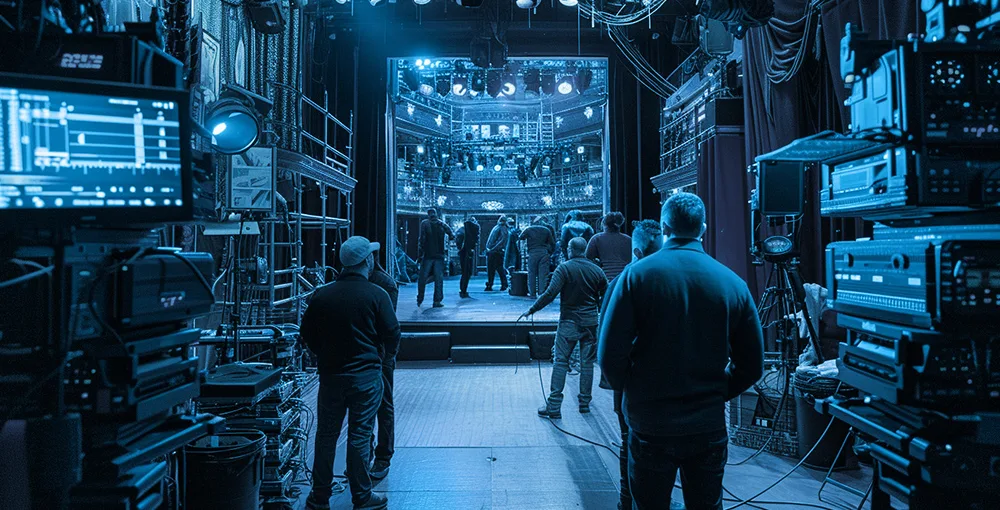
Production managers need several hard and soft skills to be successful in their roles. Here are they:
Supply Chain Management Skills
Efficient supply chain management is vital for a smooth production process. A good production manager should understand how supply chains work and be skilled in:
Managing inventory
Forecasting demand
Building strong relationships with suppliers
Look for candidates who have experience in making supply chains more efficient, reducing lead times, and keeping inventory levels just right. Those who can plan and execute strategies to avoid disruptions are especially valuable and will work well with your supply chain team.
Quality Control Skills
Quality control is crucial for production managers to keep and improve product quality. To be good at this, they should have:
A strong understanding of industry quality standards and testing methods
Experience in setting up and managing quality control processes
Seek candidates who can find quality issues early in production and fix them quickly. They should work well with the quality assurance team, perform thorough inspections, and ensure products are consistently high-quality.
Budgeting and Cost Management Skills
Financial skills are essential for a production manager. They need to manage budgets, control production costs, and use resources wisely to boost profits.
A capable production manager should be able to:
Analyze expenses
Spot areas for improvement
Implement strategies to boost efficiency and cut costs
Check the candidate’s history. Such as managing production budgets, maintaining product quality, and negotiating good deals with suppliers.
Problem-Solving Skills
Production settings are fast-paced and can pose challenges unexpectedly.
Seek candidates who are excellent at problem-solving and tackle issues with a solution-focused approach. They should:
Pinpoint root causes of problems
Create inventive solutions
Introduce changes to prevent future issues
Adaptability and Flexibility
Adaptability and flexibility are crucial skills for production managers, highlighted as vital for the future by the World Economic Forum.
Find out if desired candidates can embrace change and stay current with industry trends, technologies, and best practices.
A proficient production manager can smoothly handle shifts in production processes, market demands, and organizational structures. They also excel in guiding their teams through transitions.
Time Management Skills
Time management is crucial for production managers to meet deadlines and maintain efficiency.
Look for candidates who excel in:
Prioritizing tasks
Setting realistic schedules
Streamlining workflows
They should be able to allocate resources effectively and make swift decisions to ensure production stays on track without sacrificing quality.

Once you've narrowed down your top candidates, it's time to interview them to find the best fit for your next production manager. Here are some insightful interview questions to consider:
Q . Imagine a busy event day with unexpected hiccups. How do you prioritize tasks to keep things running smoothly?
Q . Can you share your experience with managing event production budgets? How do you ensure everything stays within allocated funds?
Q . How do you approach maintaining high-quality standards throughout the entire production process?
Q . Tell us about a particularly challenging event you managed. What made it difficult, and how did you overcome those obstacles?
Q . Describe your experience with managing and controlling inventory for events. How do you ensure everything needed is on hand and accounted for?
Q . How do you ramp up production for high-demand events, and then scale back down afterward?
Q . How do you effectively manage cross-functional teams during complex event productions?
Q . Describe a situation where you had to take swift action to minimize a major risk during event production. What happened, and how did you handle it?
Q . Can you share an example of how you've contributed to innovative ideas or improvements in event production?
Q . How do you manage and lead international or multicultural production teams?
Q. Tell us about a time when you had to completely alter your production strategy due to unexpected external factors. How did you adapt?
Q. How do you ensure your event productions comply with all relevant industry standards and regulations?

Here are effective strategies for finding production managers:
Online Job Platforms: Use LinkedIn, Indeed, and Glassdoor to post detailed job ads and engage with a wide pool of talent. Also, use advanced search features to filter candidates based on skills and experience.
Professional Networks: Attend industry events, conferences, and online forums to connect with manufacturing and production professionals. Explore industry-specific job boards and platforms for targeted recruitment.
Internal Talent Development: Identify and nurture potential candidates within your organization through workshops, mentorship, and coaching. This approach ensures alignment with company culture and values.
Recruitment Agencies: Partner with recruitment agencies to access their extensive candidate databases. Leverage their expertise in candidate identification and use skills tests to refine your selection process efficiently.
To choose the right production manager for your event, focus on finding someone with strong project management, communication, technical, creative, and leadership skills. They should excel in overseeing technical details, managing budgets, and ensuring high-quality standards. Use diverse recruitment strategies like online job platforms, professional networks, internal talent development, and recruitment agencies to find the best fit. Ready to hire your next production manager? Implement these strategies today to build a successful event team.