Home/Planner Insight Blog/Blog Details


November 22, 2025
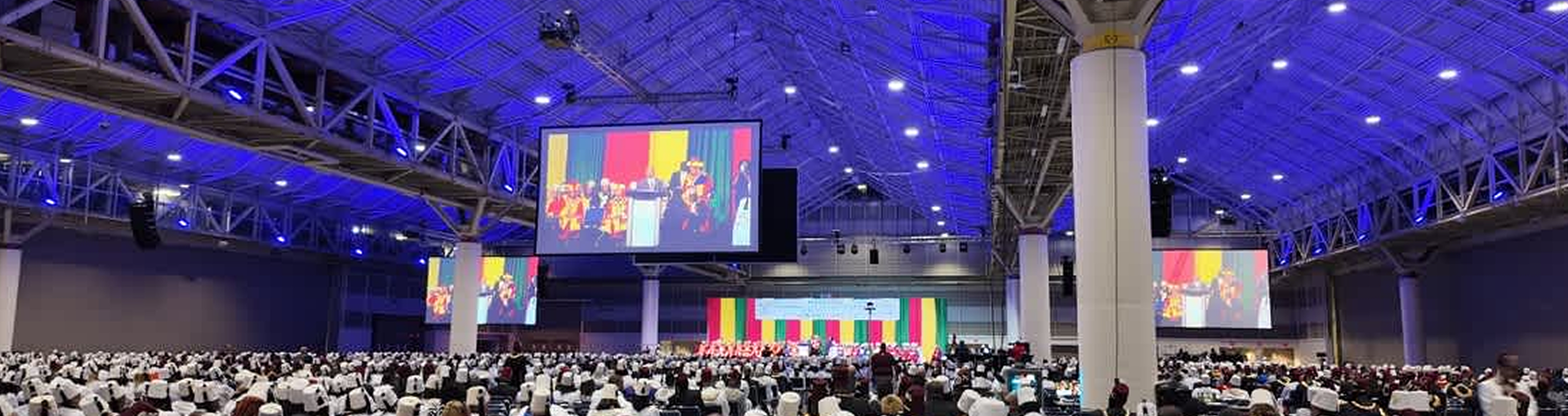
Corporate event photography has moved far beyond simple stage shots or group photos at award ceremonies. Advanced AV technology turns events into fully immersive experiences. Sweeping projections, dramatic lighting, and sound that surrounds the audience create moments that feel alive and unforgettable.
As someone attending or planning an event, these details stand out instantly, and capturing them in photos can bring the energy and excitement back long after the event ends.
Even with this technology, many moments go unseen by the camera. Capturing the energy, emotion, and atmosphere requires understanding how AV elements shape the experience. The challenge is learning to translate that immersive environment into images that make anyone looking at them feel like they were really there.
Every corner of an event space can tell a story when advanced AV technology is in play. Sweeping projections, dramatic lighting, and sound that surrounds the audience create moments that feel alive. For corporate event photography, these elements define the story your images communicate.
Projection Mapping
Imagine a conference hall where the walls ripple with animated infographics or a product launch that transforms the ceiling into a night sky. Photos capturing these projections convey movement and scale, making images feel larger than life. As reported by AV Alliance, projection mapping has been used in events to create immersive experiences, such as transforming buildings into dynamic canvases. (AV Alliance, 25+ Stunning Projection Mapping Examples)
LED Walls and Screens
High-resolution displays can illuminate key branding or live statistics during a presentation. Photographs incorporating these visuals highlight both the action on stage and the immersive environment surrounding it. GearSource emphasizes the importance of selecting the right LED screens for events, considering factors like resolution, brightness, and size to ensure a stunning visual experience. (GearSource, How To Choose The Best LED Screens For Events)
Spatial Audio Cues
While sound cannot be captured directly in a photo, gestures, smiles, and expressions of attendees show how the audio affects the crowd. A laughing audience or focused group listening intently brings the event to life visually.
Planning the photographic approach before the event begins allows photographers to understand how lighting transitions, projection sequences, and stage layouts will unfold, giving them a strategic advantage when the action starts. Recognizing how AV technology influences every moment helps photographers anticipate shots that stand out and leads naturally to capturing audience engagement.

The most compelling photos often come from the people experiencing the event. With interactive elements, AR installations, or VR demos, attendees become part of the story.
Genuine Reactions: Picture a CEO unveiling a product prototype, and the crowd collectively gasps or cheers. Capturing that moment shows excitement that words cannot describe.
Immersive Activities: Attendees exploring AR product demos, interacting with holographic displays, or navigating a VR environment provide visually rich opportunities. Photos documenting these interactions make viewers feel they are stepping inside the event.
Networking and Collaboration: Casual conversations, laughter between colleagues, or animated discussions near branded displays tell the story of connection and engagement, adding depth to corporate photography.
Observing how people move through space and interact with technology allows photographers to frame images that capture activity and convey relationships, anticipation, and curiosity. This understanding naturally transitions into techniques for capturing these complex environments.
Shooting in AV-heavy spaces requires creativity and technical know-how. Successful photographs balance scale, lighting, and motion to translate the immersive environment into still images.
Dynamic Framing: Wide shots capture dramatic projections covering the walls, ceilings, and floors, while close-ups focus on attendees’ reactions or hands-on experiences with interactive displays. Combining both creates a full picture of the event experience.
Light and Shadow Management: Bright LED screens and contrasting stage lighting create opportunities for visually striking images. Adjusting angles and exposure ensures the subject remains visible while preserving the ambiance created by lights and projections.
Motion and Timing: Capturing gestures during a live presentation or the peak of audience applause adds movement and energy to photographs, helping viewers feel immersed even after the event concludes.
Photographers also benefit from understanding camera placement, vantage points, and optimal focal lengths for different AV setups. Strategically positioning oneself allows capturing layered compositions where the environment and the audience’s reactions are equally compelling. This expertise lays the foundation for DXG’s professional approach to capturing events.

DXG photographers understand how to navigate complex AV environments, ensuring every impactful moment is captured while preserving the immersive quality of the event.
Integration with AV Systems: Photographers anticipate changes in lighting, projections, and audio cues, ensuring that photos maintain clarity and energy even in fast-changing scenarios.
Real-Time Adaptability: During hybrid conferences or multi-stage presentations, DXG photographers adjust positions instantly to capture pivotal moments while maintaining the flow of the event.
Highlighting Brand Presence: From animated logos on LED walls to interactive installations, DXG photos naturally include branding in visually compelling ways, showing how technology and storytelling intersect.
DXG also emphasizes collaboration with event planners and AV teams before the event, allowing photographers to map high-impact areas, plan shot sequences, and align with the client’s messaging goals. This foresight ensures that no critical moment is missed and that every photograph reinforces the event’s objectives.
Corporate event photography continues to evolve alongside technology. Emerging tools and strategies shape how photographers anticipate, capture, and present moments from immersive events.
AI-Assisted Shot Planning: Cameras and software can suggest optimal angles for capturing crowd reactions or dynamic visuals, increasing the likelihood of photographing the most striking moments.
Hybrid Event Coverage: As remote attendance grows, photos complement live streams and VR experiences, helping virtual attendees feel fully present and engaged. Data from Themewinter, hybrid event participation is expected to grow by 12 percent annually as technology enables richer experiences. (Themewinter, The Future of Hybrid Events in 2025)
Personalized Storytelling: Future photography may focus on customizing photo delivery, highlighting moments most relevant to individual attendees or stakeholders, creating a personal connection to the event experience.
Photographers are also exploring new ways to repurpose images beyond social media or press coverage. Interactive digital galleries, 360-degree panoramic images, and short event reels provide audiences with an immersive experience that mirrors the live event. This trend emphasizes that corporate event photography goes beyond simple documentation and serves as a strategic communication tool.

Photos from corporate events can tell stories that go beyond slides, speeches, and awards. The right imagery connects viewers to the narrative, making every event feel memorable.
Building a Narrative Arc: Begin with establishing shots that set the scene, then focus on interactions, highlights, and candid moments. Each frame contributes to the overall story of the event.
Highlighting Emotion and Impact: Capturing authentic emotions, such as surprise during a product reveal or concentration during a panel discussion, helps viewers feel invested in the moment.
Incorporating Environment Details: Small touches like branded displays, lighting effects, or stage designs add context and depth, showing how technology and creativity combine to enhance the experience. Insights from HubSpot reveal that images that convey context and emotion increase audience engagement and recall. (HubSpot, The Science of Visual Storytelling in Marketing)
In addition, post-event storytelling allows images to continue engaging audiences through newsletters, social media campaigns, and presentations. Photographs become a bridge between the live experience and ongoing audience interaction, reinforcing the impact of immersive corporate events.
Corporate event photography has grown into an art of capturing atmosphere, emotion, and interaction. Every projection, lighting effect, and stage design contributes to a narrative that can be preserved through thoughtful imagery. Photos allow viewers to experience the energy of an event, from attendees’ spontaneous reactions to carefully staged moments, creating a lasting impression long after the event concludes.
DXG photographers bring expertise, creativity, and an understanding of immersive AV environments to every assignment, ensuring that every frame communicates the story of the event. Their approach transforms ordinary documentation into engaging visual storytelling. To make your next corporate event memorable through professional photography, contact DXG and let your event live on through images that truly reflect the experience.