
July 31, 2025
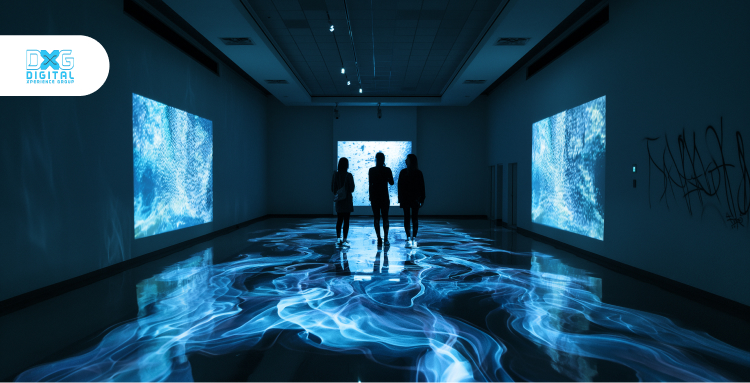
People don’t always remember what was said at an event. They remember how they felt walking in. The lighting. The way the room opened up. The surprise moment that came out of nowhere and made them pause.
We talk about “engagement” like it’s a checklist item, something you get from a speaker lineup or a well-timed social media post. However, real engagement is designed carefully, intentionally and quietly.
It’s in the flow, the energy, the invisible thread that guides people from one moment to the next without them ever noticing the stitchwork. And yet—if experience design is so powerful, why do so many events still feel forgettable? Let’s pull back the curtain.
A first impression is never a second chance, and events are no exception. The arrival experience establishes the emotional tone for the remainder of the day. Attendees quickly decide whether they are welcomed or simply processed.
A smooth check-in process, clear signage, and thoughtfully designed entryways let your guests know they're in good hands. The goal is to reduce friction because nobody wants to stand in a long line or struggle through a clumsy app. A little polish on the front door goes a long way toward creating expectations.
“78% of event registration pages are now mobile-optimized, a direct response to the need for seamless, on-the-go check-in experiences.”
Source—EventMB
Everything contributes to that first moment, including lighting, background music, and scent. It's not only about logistics. It is the difference between attending an event and participating in an experience.
Making each attendee feel seen is essential to creating a meaningful event experience, not just having flashy booths or celebrity speakers. When done correctly, personalization increases trust, engagement, and encourages attendees to stay longer and participate more actively.
“71% of event attendees engage more with apps that offer tailored agendas or content recommendations.”
Source—Bizzabo
What does this mean for event planners? It’s simple: use data. Gather information from registration forms and on-site behavior to recommend sessions, speakers, and even networking opportunities that are relevant to an individual's interests.
Even a simple custom welcome message on the app can make attendees feel like VIPs. Personalized journeys not only improve satisfaction, however, they also increase ROI for organizers by encouraging deeper involvement.

Let's face it, people don't only come to events to see the keynote presentation. They show up to help others. Human connection remains the most valuable currency at any event, from casual hallway conversations to curated meetups.
“76% of attendees say networking is their top reason for attending events.”
Source—EventMB
Sessions may draw people in, however, networking keeps them talking and coming back. That's why modern event design must allow for genuine conversations. Consider lounges, breakout zones, app-based matchmaking features, or shared experience zones.
When attendees leave with a new connection (or ten), your event transforms from a schedule to a catalyst.
Event technology should simplify rather than overwhelm. When used correctly, tools such as apps, QR codes, and virtual platforms can streamline the experience, making everything from check-ins to session feedback faster and more intuitive.
“QR codes accounted for nearly 8% of attendee interactions at hybrid and in-person events.”
Source—Skift Meetings
The bottom line is to prioritize clarity over clutter. Make your app a one-stop shop for schedules, personalized agendas, and real-time updates. QR codes provide quick access to speaker bios, surveys, and downloadable materials.
The goal is to eliminate friction so that attendees can focus on the experience rather than figuring out how the technology works.
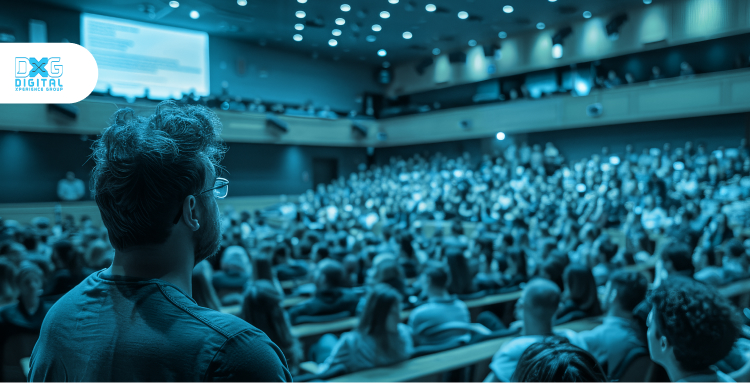
When audiences are able to do something other than sit and listen, engagement increases significantly. Interaction, whether in the form of a live poll, an immersive stage setup, or a space designed to elicit multiple senses, brings content to life and keeps attention focused.
“88% of attendees say they are more engaged when content is interactive.”
Source—Markletic, Event Engagement Statistics
The message is straightforward. To draw people into the moment, use tools like live Q&A sessions, augmented reality displays, soundscaped environments, or tactile design elements. When your event feels like an experience rather than a lecture, attendees remember.
Today's attendees are looking for flexibility. While the energy of in-person events remains unparalleled, virtual options are no longer merely a backup plan. They are part of the main package. Hybrid formats enable you to reach larger audiences and keep them engaged long after the event has ended.
“84% of participants want the option to attend either in-person or remotely.”
Source—Freeman, Industry Insights Report
Hybrid and on-demand content makes your event more accessible, inclusive, and sustainable. It enables people to join from different time zones and revisit key moments on their own timetable. The more options you offer, the more value your event adds before, during, and after.
You can't improve something that you can't measure. Monitoring engagement and return on investment is no longer optional. It's critical for understanding what worked, what didn't, and how to deliver a stronger impact the next time.
“Over 80% of B2B marketers consider audience engagement their most important KPI.”
Source—Content Marketing Institute
The key is to use the correct tools and metrics. Heat maps from event apps, session attendance data, interactive feature engagement, and post-event surveys all provide valuable information. Instead of focusing solely on numbers, consider behavior, sentiment, and feedback.
When you can clearly demonstrate how your event met or exceeded expectations, you create a compelling case for future investment.
The event may be over, however, the conversation should continue. A successful post-event strategy converts short-term buzz into long-term engagement. It's an opportunity to reinforce key takeaways, show appreciation, and keep the community connected.
“68% of organizers send thank-you emails to re-engage attendees after the event.”
Source—Eventbrite, Event Marketing Insights
To make the most of this opportunity, provide value beyond the venue. Share session recordings, send personalized follow-ups, and invite attendees to ongoing forums or networking groups. Use the information gathered to fine-tune your approach and demonstrate that the attendee journey does not end at the exit rather it continues.
Designing an event experience is more than just a trend. It's a strategic advantage that leads to increased engagement, higher ROI, and lasting connections. Every design decision, from personalized agendas to interactive content and smart tech, influences how attendees feel, learn, and connect.
The question now is simple—how immersive, personalized, and measurable is your event design? Are you just running an event, or are you creating an experience that will keep people coming back?
DXG can help you transform your events from ordinary to extraordinary. Our data-driven approach and creative expertise transform traditional events into dynamic experiences. Visit dxg.agency to learn how to create truly connecting events.