

June 4, 2025
Did you know that the global virtual events market, which was worth around $78 billion in 2019, is expected to hit about $774 billion by 2030? That’s not just a trend, it’s a complete industry shift.
The pandemic forced the world to rethink how we gather, and event planning took one of the biggest hits. But instead of collapsing, the industry adapted. Virtual conferences, hybrid events, and AI-powered networking became the new norm. Now, as in-person events make a comeback, planners are blending the best of both cultures—using technology while ensuring meaningful, real-life connections.
So, what does the future hold? Will we still attend events the same way, or are we looking at a permanent transformation? Let’s find out.
Hybrid events aren’t just a pandemic-era fix—they’re here to stay. Why? Because they work.
Hybrid events can increase attendance by 40-50% compared to in-person-only gatherings.
(Source: Virtual Event statistics)
This statistic highlights a major shift in accessibility. People who once faced barriers like travel costs, tight schedules, or health concerns can now join virtually, expanding the reach of every event.
The best hybrid events create a seamless experience for both physical and remote attendees. This means using multi-platform ecosystems—think VR spaces for networking, real-time translations for global reach, and interactive second-screen experiences that keep virtual guests engaged.
Virtual attendees often feel like second-class guests. The in-person crowd gets the energy, the networking, the impromptu chats. Meanwhile, remote attendees are stuck watching a livestream with little interaction. To fix this, event planners need to level the playing field by integrating real-time engagement tools.
67% of attendees prefer interactive event formats.
(Source: Keevee Event statistics)
Without interactive tools like live polls, Q&A sessions, and gamified activities, remote attendees can easily feel like passive observers instead of active participants.
Platforms like Slido and Mentimeter can help remote attendees participate just as much as those in the room. Another great trick? Assign a dedicated virtual host who interacts with online participants, relays their questions, and makes sure their voices are heard.
Safety’s come a long way since the pandemic days of masks and six-foot gaps. Now, in 2025, it’s baked into how events get built —making people feel comfortable and confident, whether they’re attending in person or virtually.
Event safety has evolved far beyond temperature checks. Now, air quality sensors, touchless check-ins, and UV sanitation stations are becoming standard. Some venues even use AI-powered crowd monitoring to prevent overcrowding. Instead of making safety feel like a hassle, planners are weaving it into the experience—so attendees barely notice, but still feel at ease.
People want to feel safe, but they also don’t want to be reminded of past lockdowns at every turn. The trick? Subtle reassurance. Open spaces, visible (but not overwhelming) sanitation stations, and flexible seating options all send a message: "We’ve got you covered, without making you feel like you're in a hospital." The smoother and more natural these elements feel, the more attendees can focus on enjoying the event.
COVID-19 might have kickstarter this shift, but safety planning now extends beyond health concerns. Climate change, political instability, and cyber threats are all factors event planners consider today. The best events have backup plans—not just for pandemics, but for sudden weather changes, travel disruptions, or security concerns.
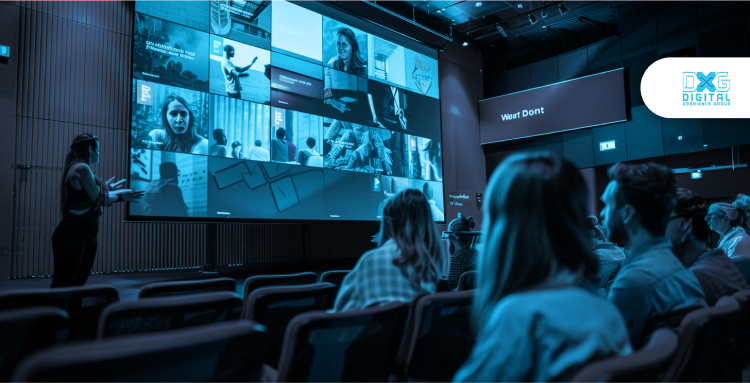
Event planning is now about data, automation, and immersive experiences. Today, technology is more than just a tool; it’s a co-planner that makes events smarter, smoother, and more engaging.
AI can now analyze attendee behavior, preferences, and past event data to suggest sessions, networking opportunities, and even meal choices. Platforms like Grip and Brella use machine learning to match attendees with the right people for networking, making sure no one wastes time in the wrong room.
AR (Augmented Reality) lets attendees explore venues before they even arrive, while VR (Virtual Reality) creates fully immersive workshops that remote participants can join as if they were there. Events like SXSW and CES are already using these tools to level up engagement. Even drones are getting involved—handling security, live streaming, and even delivering event swag.
The global AR and VR market is projected to grow significantly, with the consumer VR market expected to reach over $18 billion by the end of 2025.
(Source: Virtual reality (VR) - statistics & facts)
As a result, forward-thinking planners who invest in these technologies now are setting the stage for the next era of unforgettable experiences.
Real-time analytics can track engagement, showing organizers if a session is too crowded or if people are tuning out. If a keynote is a hit, organizers can extend it on the spot. If a breakout room is half-empty, they can send push notifications to redirect attendees. Platforms like Eventbrite and Bizzabo already offer these insights, helping planners make quick decisions.
As exciting as tech is, over-automation can make events feel robotic. Attendees still want organic conversations, personal connections, and the ability to explore without algorithms doing all the thinking. The best events find a balance—using tech to enhance, not replace, the human experience.
Not long ago, “going green” at events meant swapping plastic straws for paper ones. But today? Sustainability is a must, not a marketing gimmick.
Planners are making digital tickets, local catering, and carbon-neutral venues the norm. Big conferences like Web Summit and COP events are leading the way by eliminating single-use plastics, sourcing food from nearby farms, and offsetting travel emissions. Some festivals, like Glastonbury, even ban disposable packaging altogether.
Sustainability isn’t just a corporate goal—it’s a demand from attendees, especially younger generations.
70% of Gen Z consider a brand’s sustainability efforts before attending an event.
(Source: we forum)
If an event is wasteful, many will think twice about showing up. That means planners who ignore eco-friendly practices risk losing their audience
Some events are taking sustainability to the next level. The Paris 2024 Olympics is set to be the most sustainable in history, using 100% renewable energy, recycled materials for infrastructure, and locally sourced food. Even the medals are made from recycled electronics!
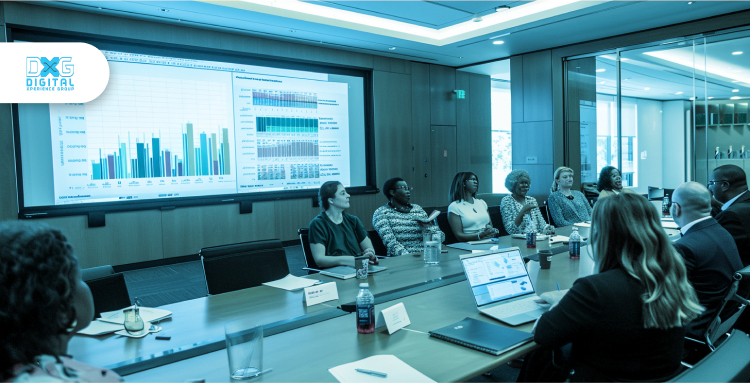
Today’s events are shifting from massive, impersonal gatherings to smaller, more meaningful experiences. It’s less about scale and more about connection—micro-events, local pop-ups, and interactive sessions are leading the way.
Attendees want to contribute—whether it’s by crowdsourcing event topics, voting on activities, or even creating live art installations. Some conferences let attendees shape the agenda in real time, ensuring the content is exactly what people want.
64% of event attendees prefer immersive, hands-on experiences over purely technological elements.
(Source: atn event staffing)
This highlights the growing demand for interactive and meaningful participation.
Events today are becoming a reflection of local identity and global causes. Whether it’s climate action summits, social justice gatherings, or cultural festivals, people want to attend events that align with their values. For example, Amsterdam’s DGTL Festival runs entirely on renewable energy, proving that sustainability and entertainment can go hand in hand.
81% of attendees care about sustainability at events, yet only 24% of B2C marketers currently have a sustainability plan.
(Source: atn event staffing)
It proves that planners who prioritize green practices are winning trust and loyalty from the audiences that matter most.
The best events make you feel alive because attendees shape the experience. Whether it’s through real-time feedback, local cultural elements, or cause-driven themes, the future of event planning is clear: it’s not just about gathering people—it’s about creating moments that matter.
Event planning used to be pretty straightforward—ticket sales, sponsorships, and a big in-person crowd. But in today’s hybrid-first world, budgets and revenue models are evolving fast.
Virtual events cut costs on travel, catering, and venue rentals, but that doesn’t mean they’re cheap. High-quality streaming, interactive tech, and top-tier speakers come with a price tag. On the flip side, hybrid events create new revenue streams:
Virtual sponsorships – Brands can sponsor digital booths, exclusive live streams, or even AI-powered networking sessions.
Tiered ticketing – Some events offer free virtual access but charge for VIP experiences like backstage Q&As or premium networking.
On-demand content – Instead of a one-time event, planners monetize recordings and exclusive follow-ups.
With 74% of event marketers not charging for virtual events but monetizing through sponsorships and premium experiences.
(Source: Virtual Event statistics)
Brands are happy to pay for visibility, and attendees are willing to spend on VIP access or exclusive content. It’s all about finding creative ways to bring in revenue without putting up a paywall.
Here’s where things get interesting. Instead of one-off conferences, some companies are experimenting with subscription models, offering year-round access to exclusive content, networking, and live events. By 2030, we might see more events shifting to Netflix-style memberships, where attendees pay for ongoing value rather than a single experience.

So, where are we landing? The future of event planning is a mash-up of hybrid flexibility, smart tech, sustainability, and community vibes—all tied together by staying ready for whatever’s next. It’s not about picking one lane; it’s about blending the best of everything we’ve learned since the pandemic flipped the script. To keep up, it's crucial to experiment with new tools and formats. Why not start by introducing one innovative element at your next event?
We're here to help you navigate these changes. Our team offers a range of services, including production management, audiovisual technology, event platform services, experience design, graphics and animation, and photography and videography. With over 15 years of experience, we ensure your events are not only successful but also memorable.
The post-pandemic world calls for events that redefine connection. Are you ready to lead the way? Contact DXG today to start planning your next groundbreaking event.